



Table Of Contents:-
- Introduction
- Why Marketing Should Be Seen As An Investment
- The Risks Of Spending Too Little On Marketing
- The Risks Of Spending Too Much On Marketing
- General Marketing Budget Guidelines
- Factors That Influence Marketing Budgets
- How To Calculate A Practical Marketing Budget
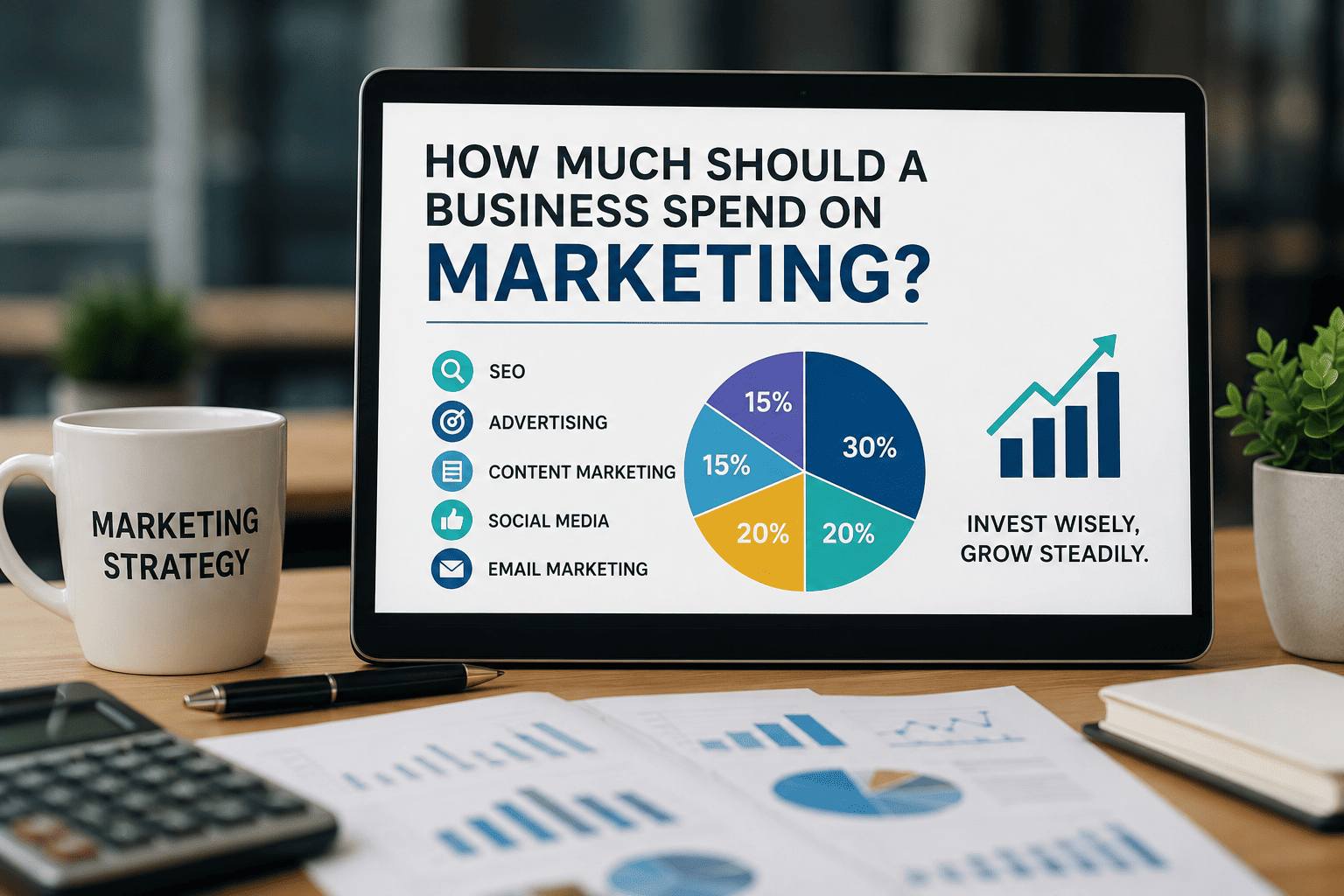
- Where Should Marketing Money Be Spent?
- Search Engine Optimisation (SEO)
- Google Ads And Paid Advertising
- Content Marketing And Brand Building
- Social Media Marketing
- Website Improvements And Conversion Optimisation
- How Local Businesses In Gaya Should Approach Marketing
- Measuring Marketing Success
- Common Marketing Budget Mistakes To Avoid
- Should Small Businesses Hire A Marketing Agency?
- The Best Marketing Budget Is One That Supports Growth
- How Assurah Marketing Agency Helps Businesses Maximise Marketing Budgets
Many business owners ask the same question at some point:
“How much should I spend on marketing?”
Some businesses spend very little and hope customers will find them naturally. Others invest heavily in advertising, social media, SEO, content creation, and lead generation. The challenge is knowing what amount is right for your business.
The truth is that there is no single answer that works for every company. The ideal marketing budget depends on factors such as business size, industry, goals, competition, location, and growth plans.
A local business in Gaya may require a different approach from an international software company. A new business needs different marketing investments compared to an established brand with a loyal customer base.
In this guide, we will explain how businesses can determine the right marketing budget, where that money should be invested, and how to ensure marketing spending produces measurable results.
Why Marketing Should Be Seen As An Investment
One of the biggest mistakes business owners make is viewing marketing as an expense rather than an investment.
Expenses simply cost money. Investments generate returns.
When marketing is planned properly, it can bring:
- More website visitors
- Better quality leads
- Increased enquiries
- More sales
- Stronger brand awareness
- Improved customer trust
- Higher customer retention
The purpose of marketing is not just visibility. The goal is to attract people who are likely to become paying customers.
Businesses that consistently invest in marketing often experience more stable growth because they are continuously generating demand rather than waiting for referrals alone.
The Risks Of Spending Too Little
Many small businesses allocate very little money to marketing.
This usually happens because owners want to minimise costs during the early stages.
However, spending too little can create several problems:
Limited Visibility
Potential customers cannot buy from a business they do not know exists.
Without marketing, competitors become more visible while your business remains difficult to find.
Slow Growth
Relying only on word-of-mouth referrals can slow growth significantly.
Referrals are valuable, but they are rarely predictable enough to support long-term expansion.
Missed Opportunities
Customers actively search online for products and services every day.
Without proper marketing, those opportunities often go directly to competitors.
Difficulty Building Trust
Modern consumers research businesses before making purchasing decisions.
A weak online presence may cause prospects to question credibility.
The Risks Of Spending Too Much
While underinvesting creates problems, overspending can be equally damaging.
Some businesses invest heavily in marketing channels without a clear strategy.
Common issues include:
- Running ads without tracking conversions
- Paying for services that do not generate leads
- Targeting the wrong audience
- Chasing trends instead of business objectives
- Investing in multiple channels simultaneously without measuring performance
Marketing budgets should always be connected to business goals and expected returns.
The objective is not to spend the most money.
The objective is to spend the right amount and achieve profitable growth.
General Marketing Budget Guidelines
Although every business is different, there are common budgeting benchmarks used across industries.
Established Businesses
Companies with stable revenue often spend between 5% and 10% of annual revenue on marketing.
For example:
- £100,000 annual revenue = £5,000–£10,000 marketing budget
- £500,000 annual revenue = £25,000–£50,000 marketing budget
- £1 million annual revenue = £50,000–£100,000 marketing budget
This level is generally suitable for maintaining visibility and supporting steady growth.
Growing Businesses
Businesses aiming for rapid growth often spend between 10% and 20% of revenue.
This higher investment supports:
- Lead generation campaigns
- Brand awareness
- Search engine optimisation
- Content marketing
- Social media advertising
Growth-focused businesses typically require stronger marketing activity to increase market share.
Start-Ups
New businesses frequently invest even more aggressively.
Many start-ups allocate significant resources to marketing because they need visibility, customers, and brand recognition quickly.
The exact amount depends on available funding and business objectives.
Factors That Influence Marketing Budgets
Rather than following a fixed percentage, businesses should evaluate several important factors.
Industry Competition
Highly competitive industries usually require larger marketing budgets.
Examples include:
- Legal services
- Real estate
- Healthcare
- Digital marketing
- Insurance
- Finance
In these sectors, competitors are already investing heavily in advertising and SEO.
Businesses must compete for visibility.
Business Goals
Marketing budgets should align with objectives.
For example:
Goal: Maintain Current Revenue
A moderate marketing budget may be sufficient.
Goal: Double Revenue
A more aggressive marketing strategy will likely be required.
Goal: Enter New Markets
Additional investment may be needed for brand awareness and customer acquisition.
Customer Lifetime Value
Businesses with higher customer lifetime value can often justify larger marketing investments.
For example:
A company earning £10,000 from a single client can spend significantly more to acquire that customer than a company earning £50 per sale.
Understanding customer value helps determine acceptable acquisition costs.
Sales Cycle Length
Longer sales cycles usually require more nurturing and marketing touchpoints.
B2B companies often invest heavily in:
- Content marketing
- Email marketing
- SEO
- LinkedIn marketing
- Lead nurturing campaigns
These activities support prospects throughout the decision-making process.
How To Calculate A Practical Marketing Budget
A useful approach is working backwards from revenue goals.
Imagine a business wants to generate £500,000 in annual revenue.
Average sale value = £2,500
Required sales:
£500,000 ÷ £2,500 = 200 customers
If the business converts 10% of leads into customers:
200 customers require 2,000 leads.
The marketing budget can then be calculated based on the expected cost per lead.
This method creates a realistic framework based on business objectives rather than guesswork.
Where Should Marketing Money Be Spent?
Once a budget is established, the next question becomes:
Where should the money go?
The answer depends on audience behaviour and business goals.
However, several marketing channels consistently provide value.
Search Engine Optimisation (SEO)
SEO helps businesses appear in search results when people actively look for services.
Benefits include:
- Long-term visibility
- Consistent traffic
- Lower cost per lead over time
- Increased trust
For local businesses in Gaya, SEO can help attract nearby customers searching for relevant services.
SEO remains one of the strongest long-term marketing investments.
Google Ads
Google Ads can generate traffic immediately.
Advantages include:
- Quick visibility
- Precise targeting
- Flexible budgets
- Measurable results
Businesses often use Google Ads while waiting for SEO campaigns to gain momentum.
Content Marketing
Content helps businesses educate potential customers and answer common questions.
Examples include:
- Blog posts
- Guides
- Case studies
- Videos
- FAQs
Quality content supports SEO and helps build trust before prospects make contact.
Social media can help businesses:
- Increase awareness
- Build relationships
- Engage customers
- Showcase expertise
The right platform depends on the audience.
Different industries perform better on different social networks.
Website Improvements
Many businesses focus entirely on traffic generation while ignoring website performance.
Improving:
- Speed
- User experience
- Conversion rates
- Mobile responsiveness
can often increase results without increasing advertising spend.
How Local Businesses In Gaya Should Approach Marketing
Local businesses face unique opportunities.
Many customers search online before visiting or contacting a company.
Important marketing priorities include:
Google Business Profile
A well-optimised profile improves local visibility.
Local SEO
Businesses should target relevant local search terms connected to Gaya and surrounding areas.
Customer Reviews
Positive reviews help establish trust and improve local rankings.
Location-Based Content
Creating content relevant to local audiences can strengthen search visibility.
Businesses serving Gaya often benefit from combining local SEO with targeted advertising campaigns.
Measuring Marketing Success
Marketing spending should always be evaluated against results.
Key performance indicators may include:
Website Traffic
How many visitors arrive each month?
Leads Generated
How many enquiries are received?
Conversion Rate
How many leads become customers?
Cost Per Lead
How much does it cost to generate each enquiry?
Common Marketing Budget Mistakes
Copying Competitors
What works for one business may not work for another.
Budgets should be based on goals and data rather than assumptions.
Expecting Immediate Results
Some channels, particularly SEO and content marketing, require time.
Businesses should avoid abandoning strategies too early.
Focusing Only On Advertising
Advertising can generate traffic, but trust often comes from content, reviews, branding, and customer experience.
Ignoring Tracking
Without tracking, businesses cannot identify what is working.
Every campaign should be measured.
Treating Marketing As Optional
Marketing should be viewed as a core business activity rather than an occasional expense.
Consistent investment often produces more sustainable growth than sporadic campaigns.
Should Small Businesses Hire A Marketing Agency?
Many business owners attempt to manage marketing themselves.
While this can work initially, it often becomes difficult as the business grows.
An experienced agency can help with:
- SEO
- Google Ads
- Content marketing
- Website optimisation
- Social media management
- Lead generation strategies
Working with professionals can reduce costly mistakes and improve overall efficiency.
Businesses looking for growth often partner with agencies that understand both local and global markets.
At Assurah Marketing Agency, we frequently see businesses struggle because they either invest too little or spread their budget across too many channels at once. A structured strategy usually delivers better results than random marketing activities.
The Best Marketing Budget Is One That Supports Growth
There is no universal marketing budget that works for every business.
The right amount depends on:
- Revenue
- Growth objectives
- Competition
- Industry
- Customer value
- Marketing goals
As a starting point, many businesses invest between 5% and 10% of annual revenue, while growth-focused companies often allocate more.
What matters most is ensuring that every pound spent contributes towards measurable business objectives.
Rather than asking, “How little can we spend on marketing?”
Businesses often achieve better results by asking:
“How can we invest in marketing to generate profitable growth?”
When marketing is approached strategically, it becomes one of the most effective tools for attracting customers, building trust, and increasing revenue over the long term.
How Assurah Marketing Agency Helps Businesses Maximise Marketing Budgets
Many businesses waste marketing budgets by investing in channels that do not generate meaningful results or by spreading their resources too thinly across multiple platforms.
Assurah Marketing Agency helps businesses avoid these common mistakes by developing marketing strategies based on business goals, target audiences, and measurable performance data. Instead of focusing solely on increasing traffic, we prioritise generating qualified leads and improving conversion rates.
Our team helps businesses allocate budgets effectively across SEO, Google Ads, content marketing, social media marketing, and website optimisation to achieve the highest possible return on investment.
Whether serving local businesses in Gaya or companies operating internationally, Assurah Marketing Agency focuses on ensuring that every marketing pound contributes towards sustainable business growth.





Social Media Marketing